The social media landscape never stands still. As we navigate through 2026, the platforms we use, the content we create, and the way audiences engage are evolving at breakneck speed. What worked last year may already feel outdated, and staying ahead requires more than just following trends—it demands understanding the deeper shifts reshaping how we connect online.
From AI-powered workflows to the rise of social search, and from authentic storytelling to community-driven engagement, 2026 is bringing transformative changes that will define success on social platforms. Whether you’re a brand marketer, content creator, or social media strategist, here are the key trends you need to embrace this year.
1. Social Platforms as Search Engines
One of the most significant shifts happening in 2026 is the transformation of social media platforms into primary search destinations. Research indicates that nearly a quarter of people now search directly on platforms like TikTok, Instagram, and YouTube instead of traditional search engines, with this behavior growing rapidly among younger demographics. This trend fundamentally changes how content should be created. Every post, caption, and video script now needs to be optimized for discoverability. Keywords matter more than ever—not just in hashtags, but woven naturally into captions, spoken content, and video titles. The goal is to treat each piece of content as a searchable asset that can attract high-intent users weeks or months after it’s posted. For brands and creators, this means thinking like a search strategist. What questions is your audience asking? What problems are they trying to solve? Content that answers these queries in an authentic, valuable way will surface when users search, extending the lifespan and reach of your posts far beyond initial publication.
2. The Rise of Authentic, Lo-Fi Content Over Polished Productions
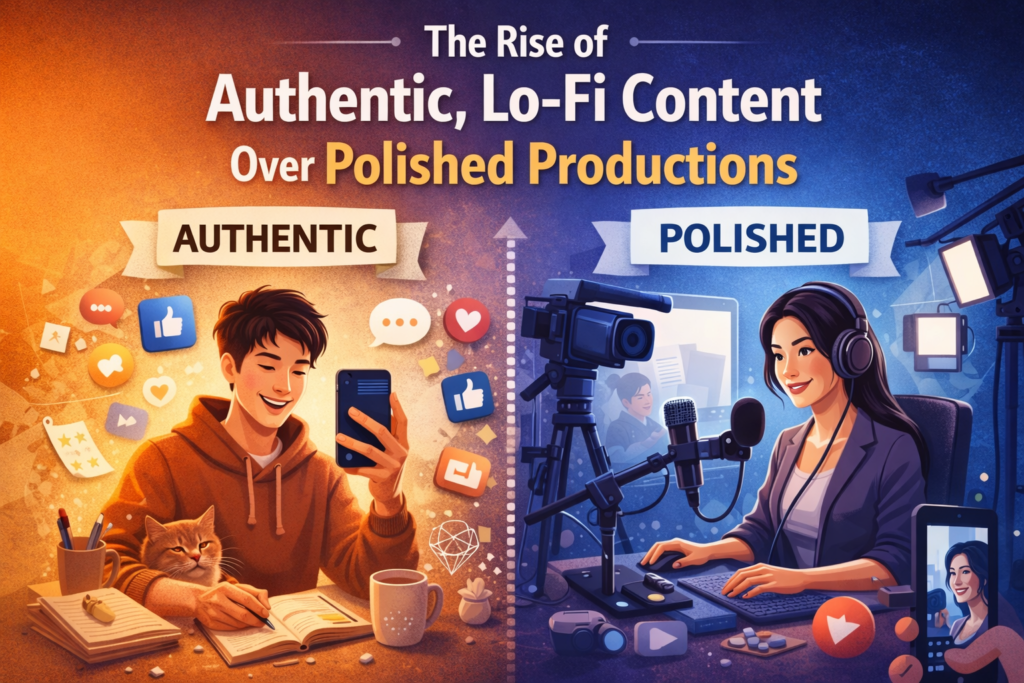
Industry experts note that high production value no longer guarantees authenticity, as generative AI makes it easier than ever to create polished but soulless content. The pendulum is swinging back toward raw, relatable, and spontaneous content that feels genuinely human.
Short-form videos continue to dominate engagement, but they’re evolving away from highly edited, flashy productions toward story-driven clips that feel more authentic. Audiences are craving real connections, not perfection. They respond to content that shows behind-the-scenes moments, unfiltered opinions, and genuine personality.
This “lo-fi” approach isn’t about being lazy with production—it’s about prioritizing substance over style. The brands winning in 2026 are those creating content that feels like it’s coming from a real person, not a corporate marketing machine. Think conversational tone, relatable situations, and the courage to show imperfection.
3. AI as a Tool, Not a Replacement
Artificial intelligence is deeply embedded in social media workflows in 2026, but its role is becoming more clearly defined. Industry leaders expect AI to streamline team operations and identify trends rather than generate the actual content that audiences see. The technology excels at handling backend tasks, analyzing data, and speeding up ideation processes.
The data supports this approach: a significant majority of social media professionals now use AI tools daily, primarily for planning content, generating reports, and testing ideas faster. However, there’s a critical caveat—while AI helps produce more content in less time, many practitioners aren’t measuring whether AI-generated content actually performs better, and a substantial portion limit AI use over quality concerns.
The winning strategy for 2026 is using AI for the grunt work—caption ideas, trend analysis, performance predictions—while maintaining human oversight for tone, authenticity, and creativity. The brands that stand out are those that use AI to enhance their creative process, not replace it entirely.
4. Community Over Reach: The Quality vs. Quantity Shift
As more accounts flood social platforms and competition for attention intensifies, sheer reach is no longer the ultimate metric. Recent data shows that even when platform impressions decrease significantly, engagement can increase substantially when the audience is more aligned and connected to the content.
This represents a fundamental shift in how success should be measured. Building a deeply engaged community of people who genuinely care about your brand matters more than broadcasting to a massive but indifferent audience. It’s about creating spaces where people want to participate, not just scroll past.
Brands excelling in 2026 are those fostering genuine conversations, responding thoughtfully to comments, and making their audience feel heard and valued. They’re not just posting content—they’re building relationships. This means investing in community management, social listening, and creating opportunities for meaningful two-way dialogue.
5. Social Commerce Gets More Seamless
In-app shopping has evolved from a novelty to an expectation. Platforms like TikTok Shop, Instagram Checkout, and Pinterest Shopping are making the journey from discovery to purchase remarkably frictionless. The increased authenticity of influencer content is transforming these posts from obvious advertisements into genuine recommendations, making social commerce feel more natural and less intrusive.
The key to success in social commerce for 2026 is the soft sell. Audiences respond better to content that authentically demonstrates how a product improves their life, rather than aggressive “buy now” calls to action. User-generated content and partnerships with micro-influencers who genuinely use and love products are proving far more effective than traditional advertising approaches.
6. Platform Diversification and Niche Communities
While major platforms like Instagram, TikTok, and YouTube continue to dominate, 2026 is seeing growth in alternative and niche platforms. LinkedIn is attracting increasingly younger audiences and rolling out new video features that create fresh opportunities for engagement. Meanwhile, emerging platforms are giving users more control over their algorithms and feeds.
New applications are allowing users to customize their algorithms almost like a playlist, representing a shift toward platforms where users have more control over their experience. Major platforms are taking notice, with TikTok and Instagram introducing features that let users shape their feeds by prioritizing certain topics and filtering out others.
For brands, this means not putting all your eggs in one basket. Diversification across platforms—and understanding the unique culture and content style of each—is becoming essential. The platform that works today might change its algorithm tomorrow, so building owned media channels like email lists and creating platform-specific strategies is crucial.
7. Micro and Nano Influencers Take Center Stage
The influencer landscape is shifting away from celebrity endorsements toward partnerships with creators who have smaller but highly engaged followings. Micro and nano influencers often have stronger connections with their audiences, higher engagement rates, and more authentic content that resonates.
These creators are seen as more trustworthy because their recommendations feel genuine rather than transactional. They’re also more accessible for brands with limited budgets, and their audiences tend to be more niche and targeted—exactly what brands need in an era where community matters more than raw numbers.
8. Speed and Cultural Relevance
In the current landscape, brands are expected to respond to cultural moments almost instantly, as algorithms reward timely content following viral trends. The ability to move quickly—to identify an emerging trend, create relevant content, and publish before the moment passes—is becoming a competitive advantage.
This requires more than just monitoring trending topics. It demands deep cultural literacy, understanding your audience’s values and what resonates with them, and having agile workflows that allow for rapid content creation and approval. Brands that can authentically tap into cultural moments without feeling forced or opportunistic will capture attention.
9. Social Listening as a Strategic Imperative
Monitoring and moderation are no longer just about damage control. Successful brands are embedding moderation into their operational strategy, using social listening tools to track mentions across languages and contexts in real time. This allows them to spot micro-trends early, identify emerging risks, and turn potential friction points into opportunities for building loyalty.
Social listening in 2026 is about moving from reactive to proactive. It’s using data to understand what your audience genuinely cares about, what frustrates them, and what delights them—then acting on those insights to inform everything from product development to content strategy.
10. The Multi-Identity User
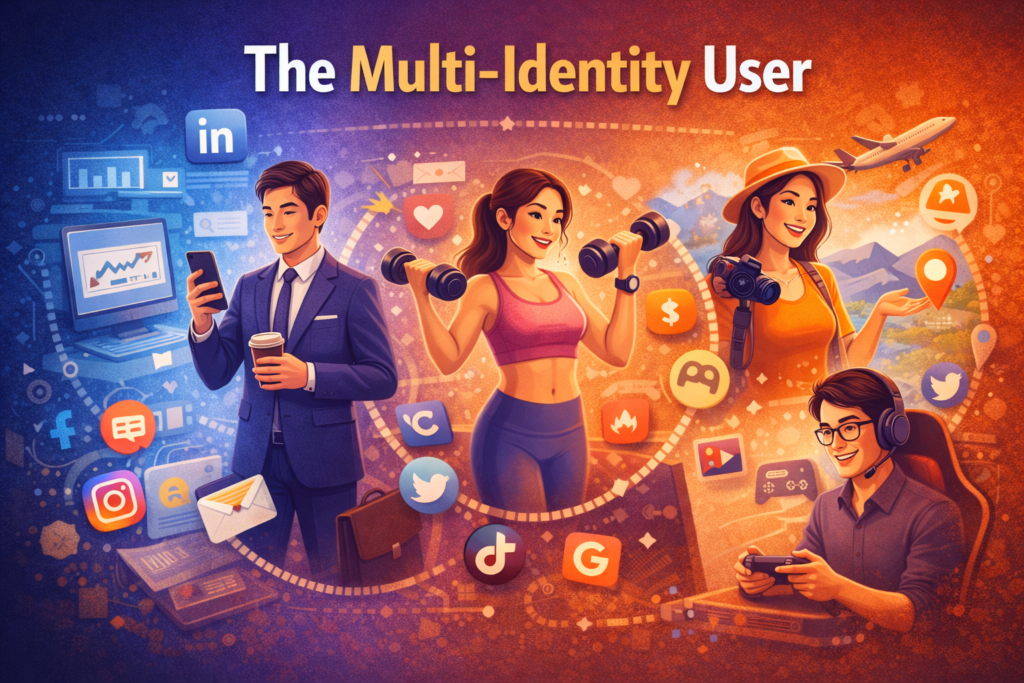
Users are maintaining multiple identities across different apps, exploring various interests, values, and communities through different “side quests”. People present different facets of themselves on LinkedIn versus TikTok versus Instagram, and brands need to understand and respect these contextual differences.
This means tailoring your approach to each platform’s unique culture while maintaining core brand consistency. What works as professional thought leadership on LinkedIn would feel completely out of place on TikTok. Understanding how your audience shows up differently across platforms allows you to meet them where they are with content that feels native to each environment.
Conclusion: Authenticity, Agility, and Audience Understanding
The social media trends shaping 2026 point to a common theme: success belongs to brands and creators who prioritize authentic connections over algorithmic gaming, who listen more than they broadcast, and who understand that engagement quality trumps vanity metrics.
The platforms and features will continue evolving, but the fundamental human desire for genuine connection, valuable content, and communities that reflect our identities remains constant. Brands that ground their social strategy in these timeless principles—while staying agile enough to adapt to emerging trends—will thrive in 2026 and beyond.
The key is not to chase every trend blindly, but to evaluate which align with your brand values, resonate with your specific audience, and support your broader business goals. Focus on building real relationships, creating content that provides genuine value, and staying curious about how your audience’s needs and behaviors are evolving. That’s the recipe for social media success in 2026.