
Courses
View full curriculum

Contact
Talk to our team

Free Demo
Book your seat today

Results
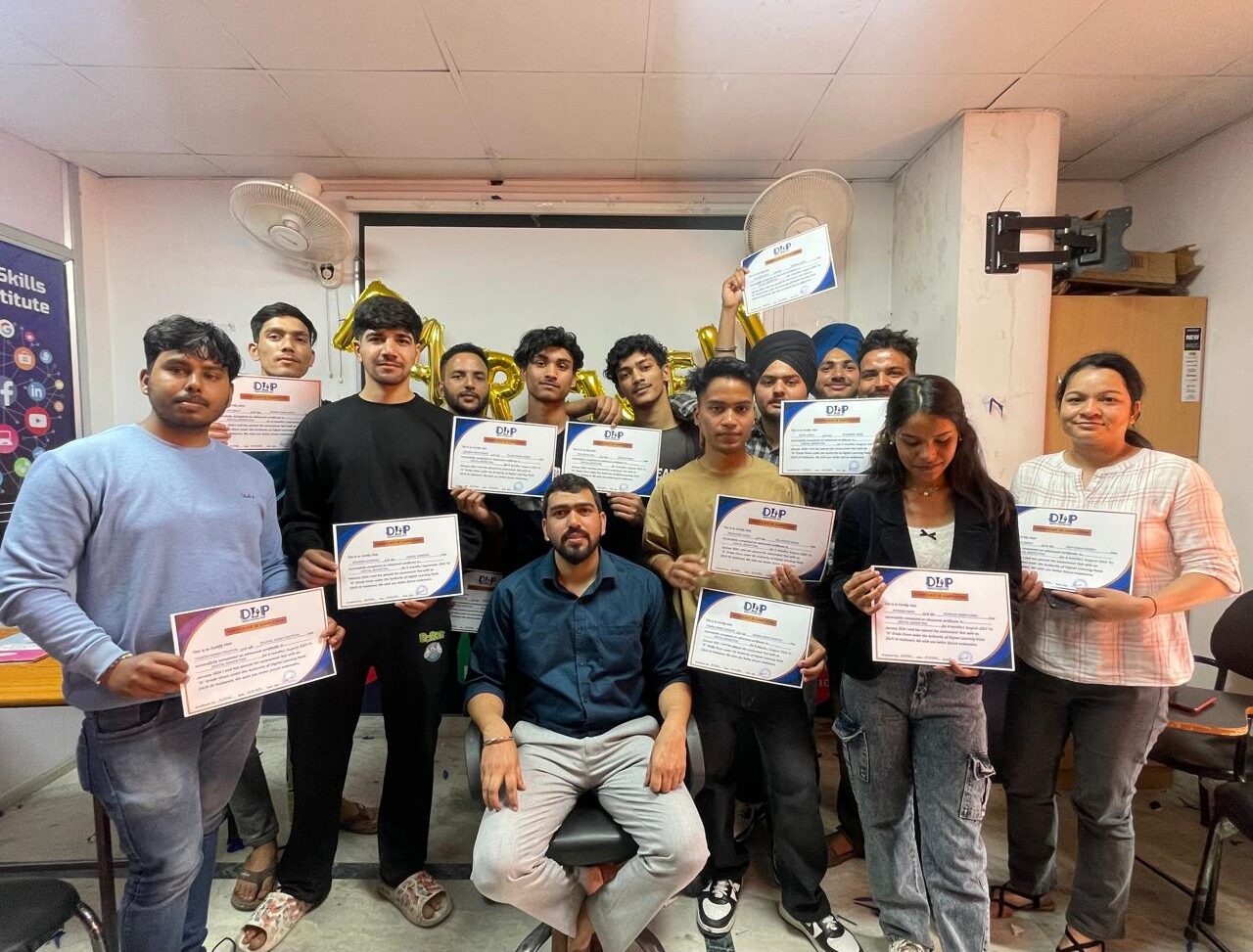
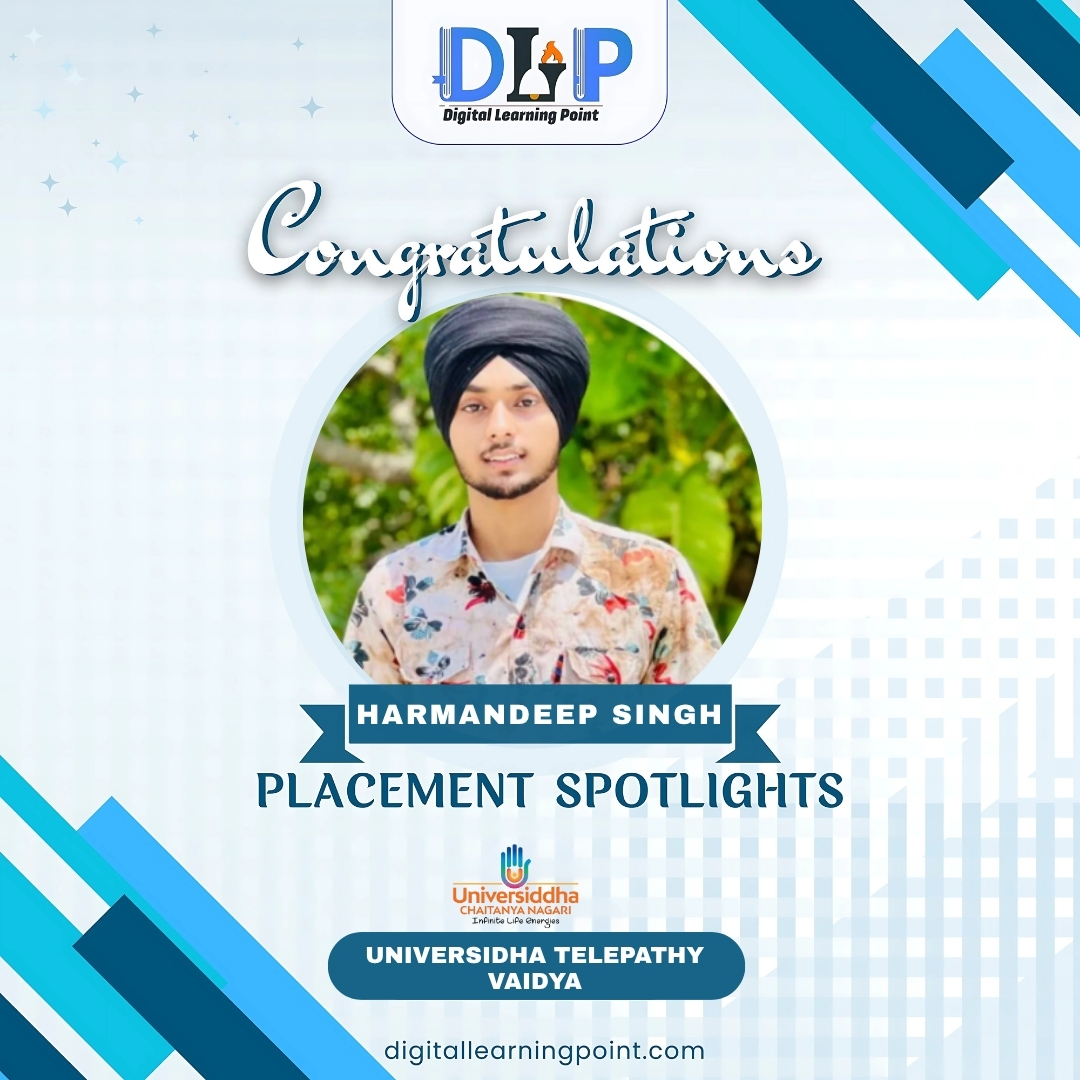
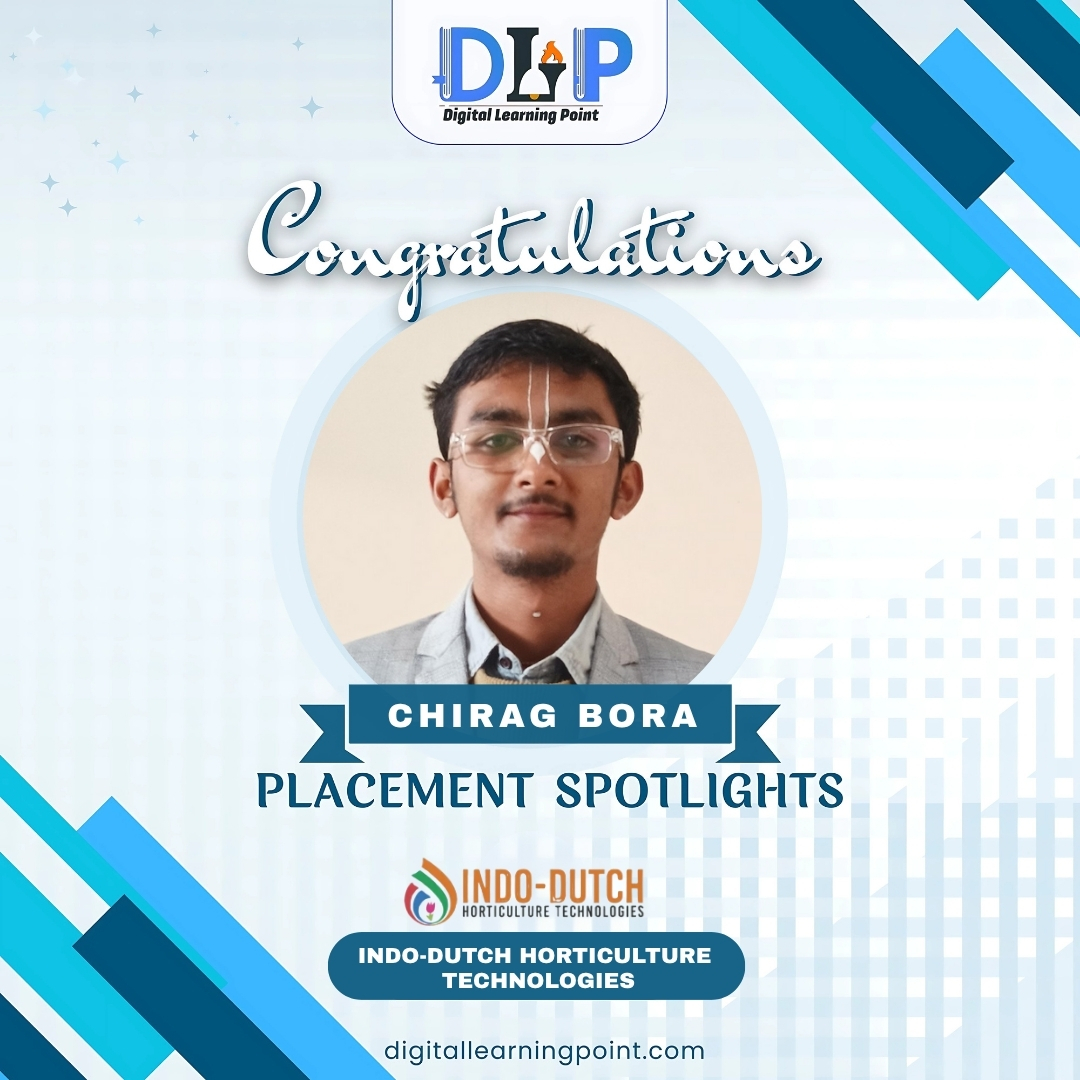
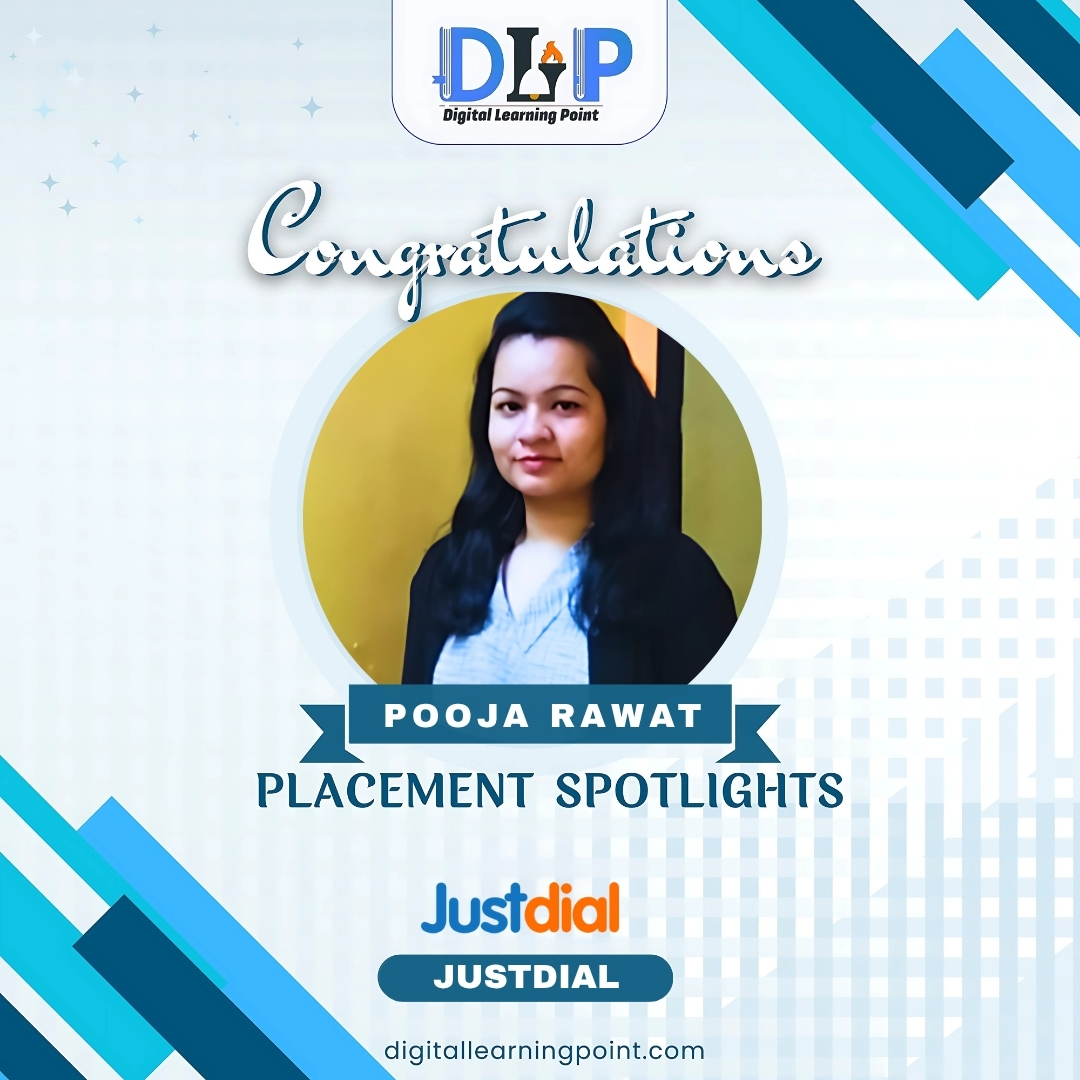
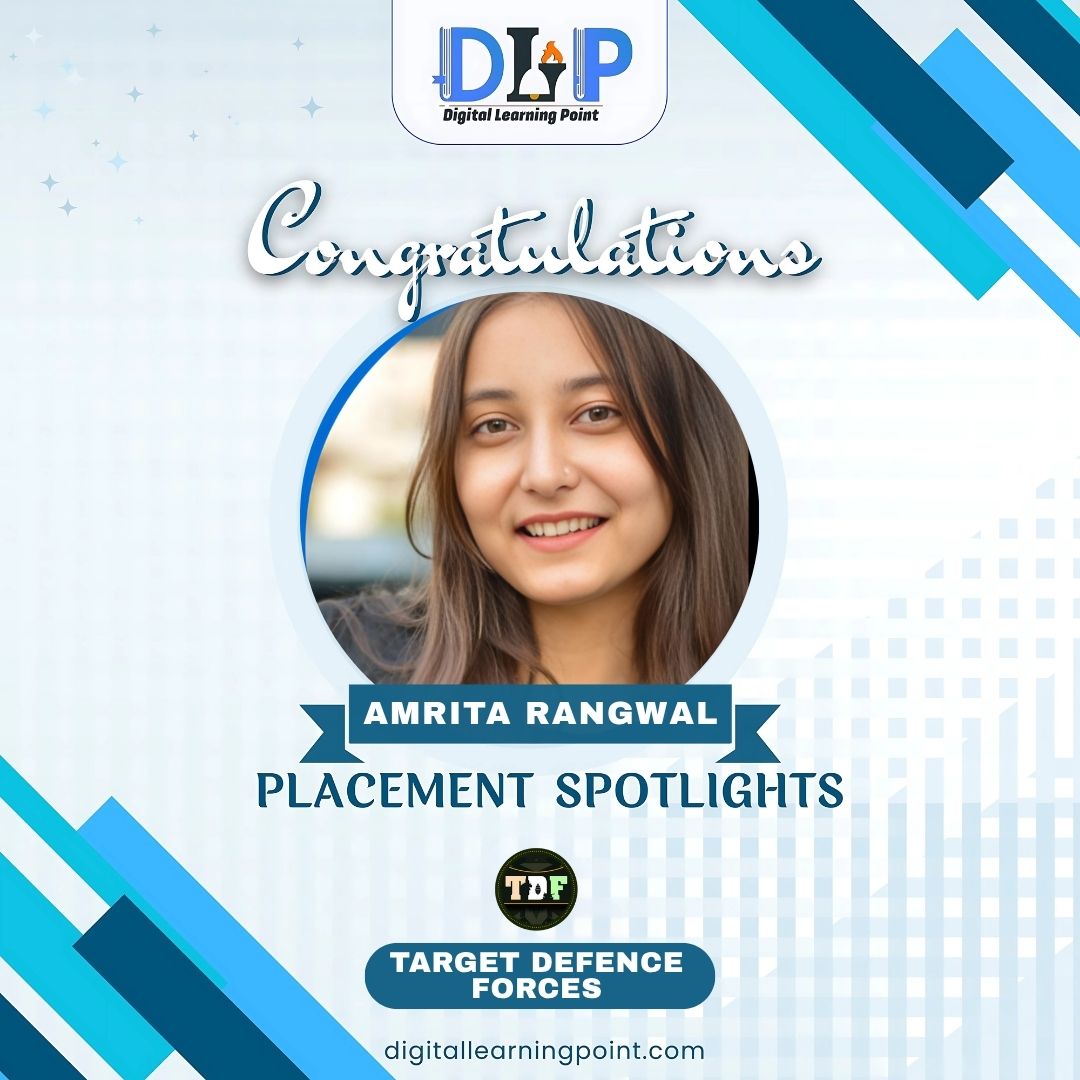
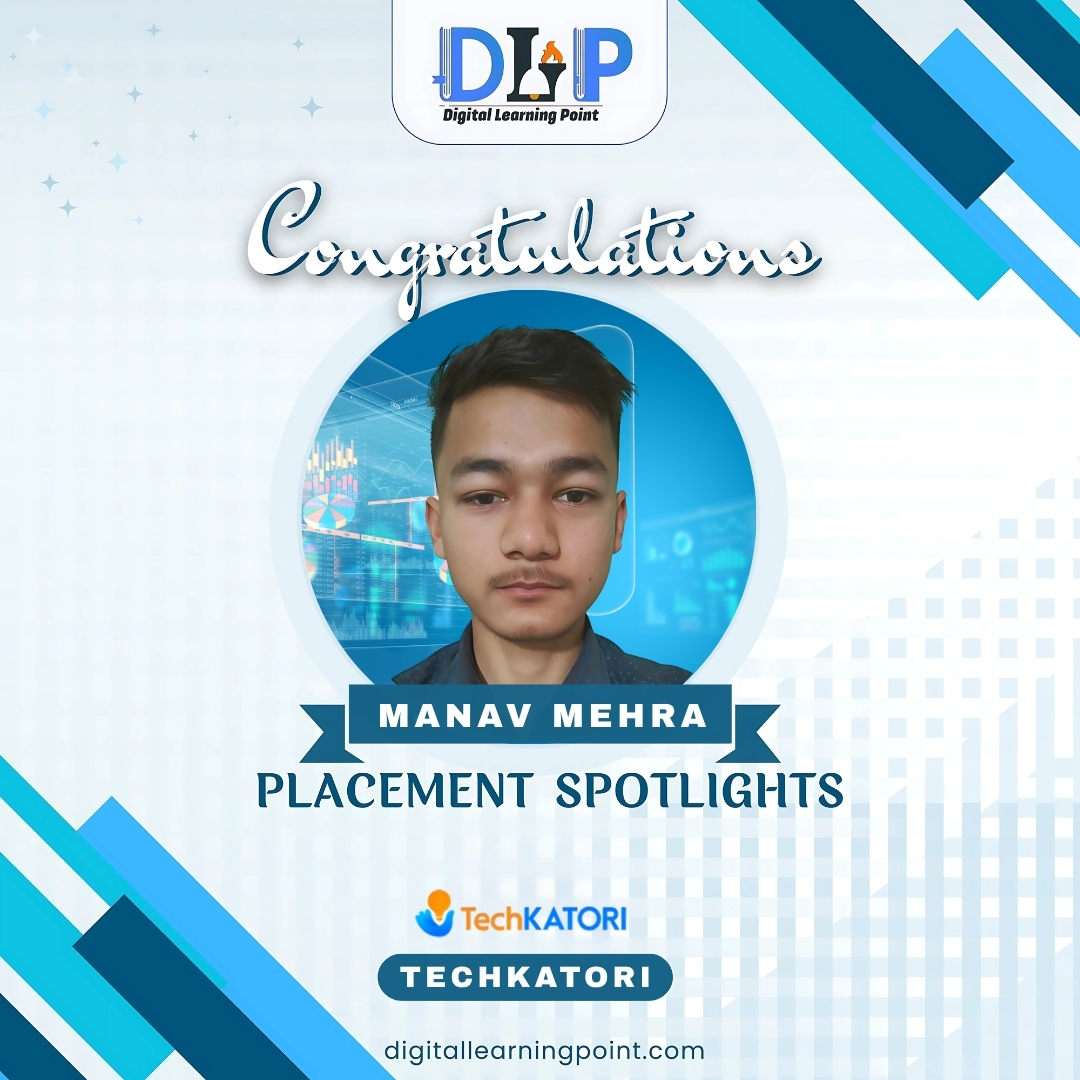
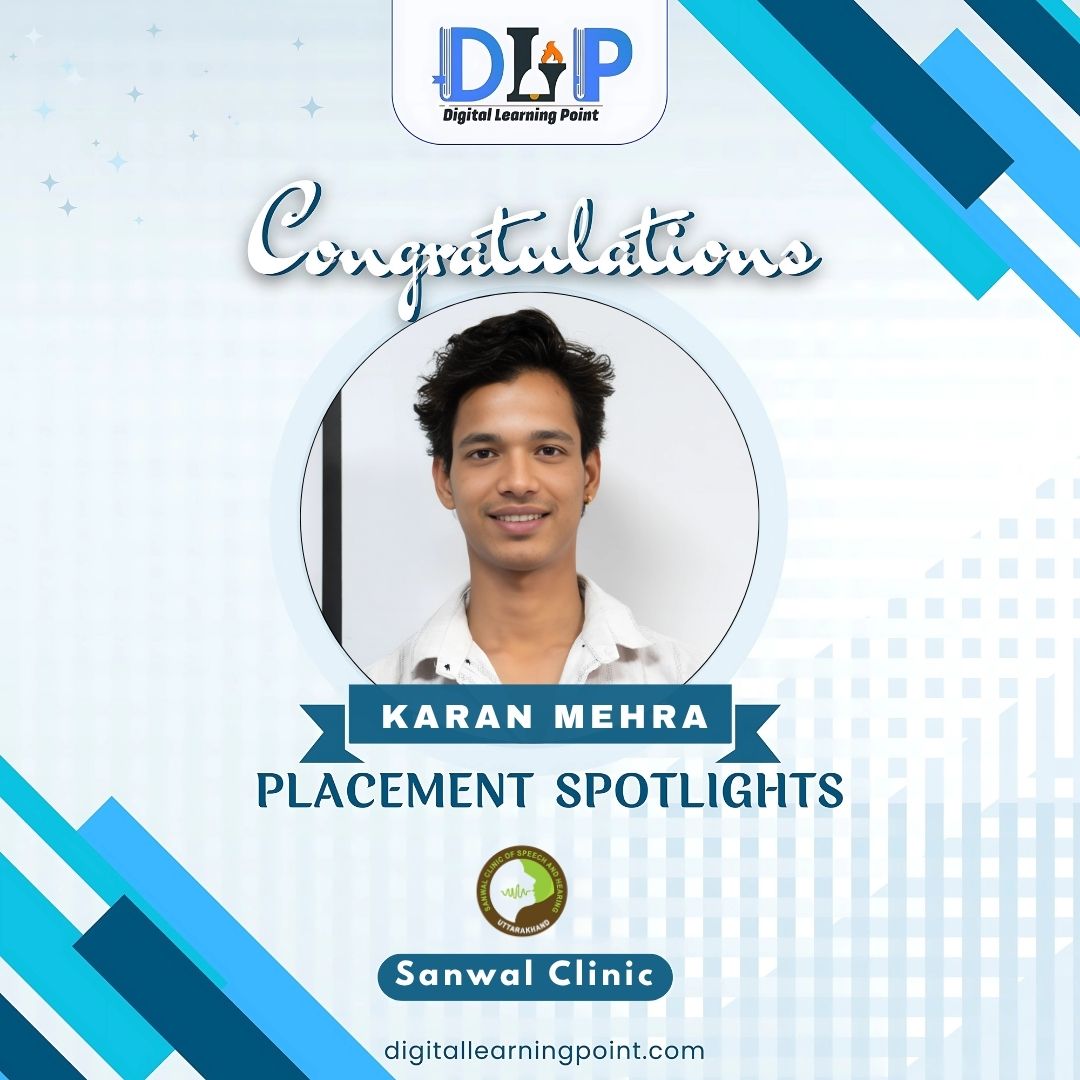
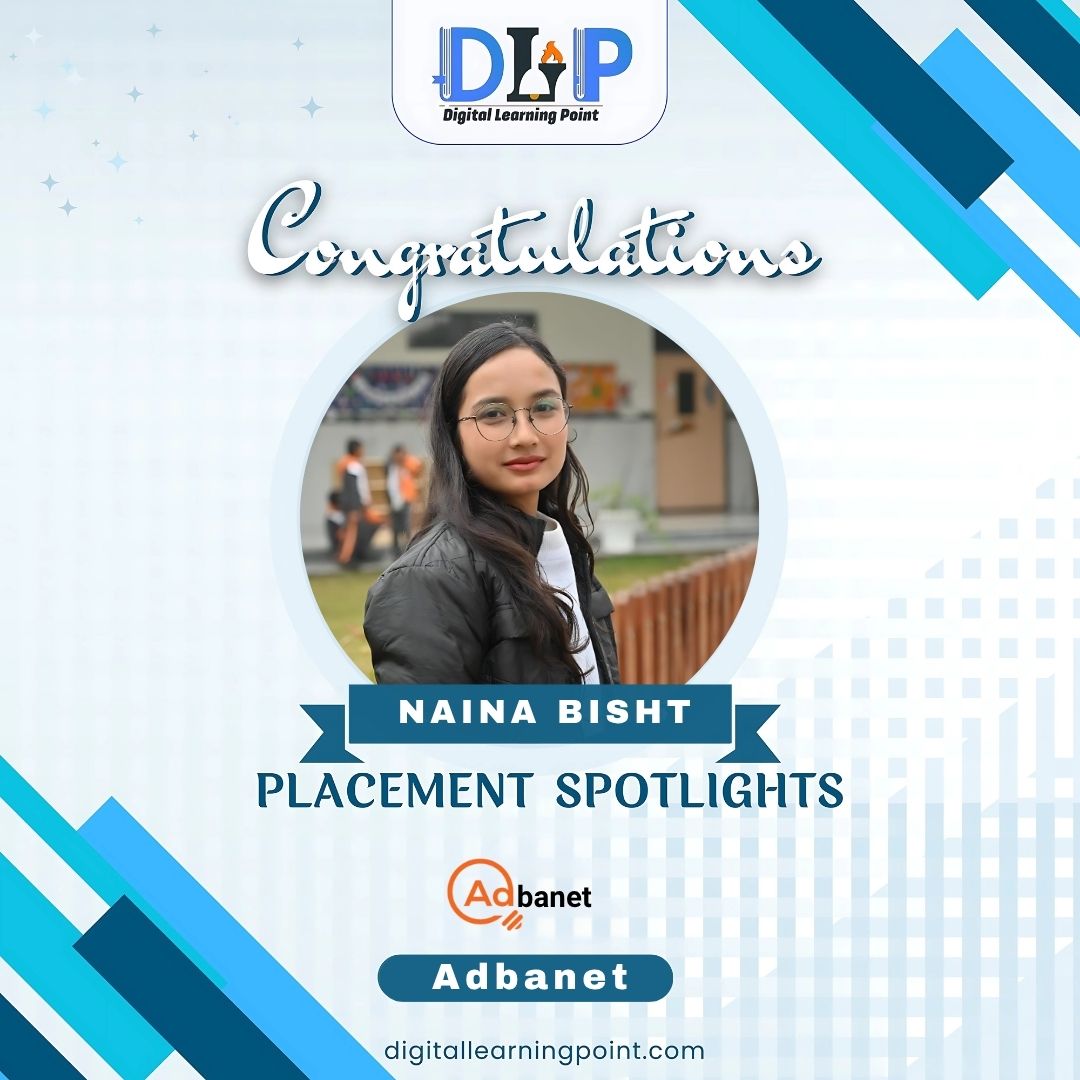
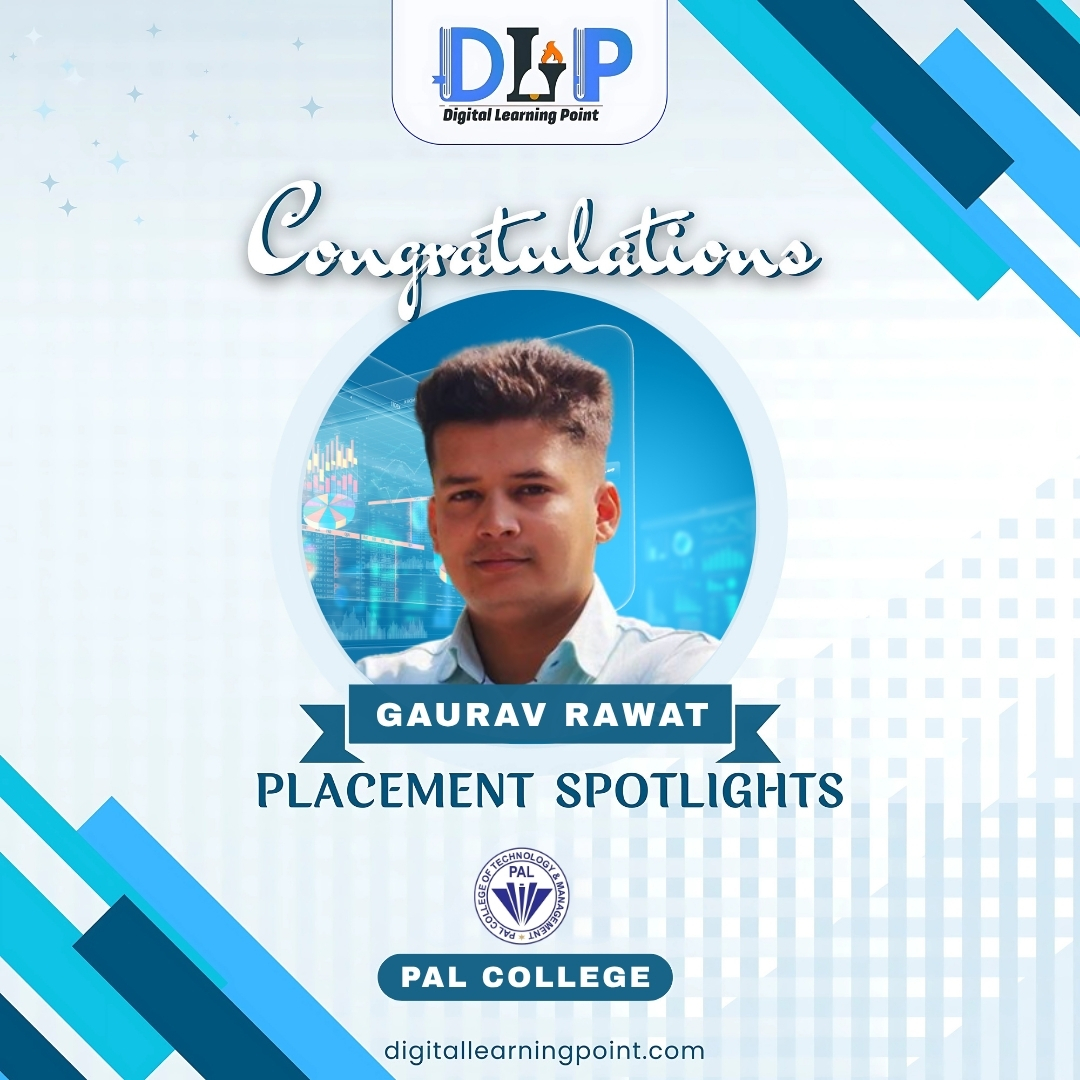
Real placements
Courses
View full curriculum
Contact
Talk to our team
Free Demo
Book your seat today
Results
Real placements
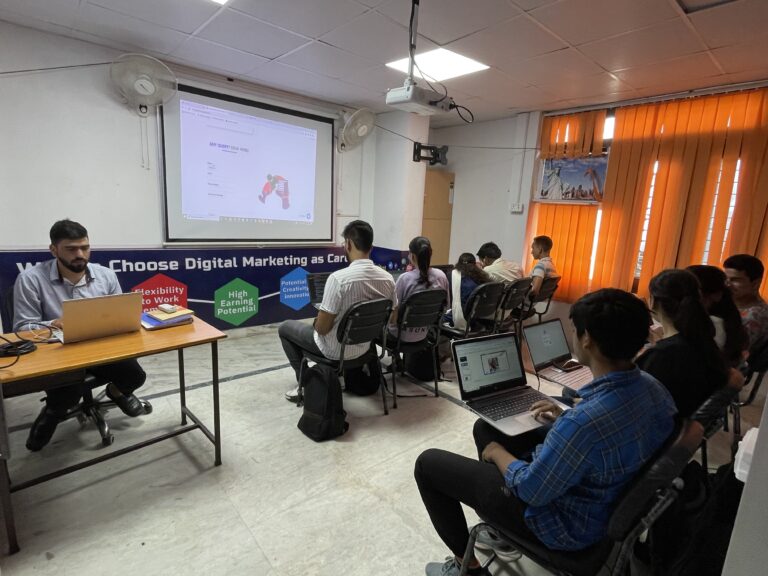

100% Practical Training — No
Theory Only
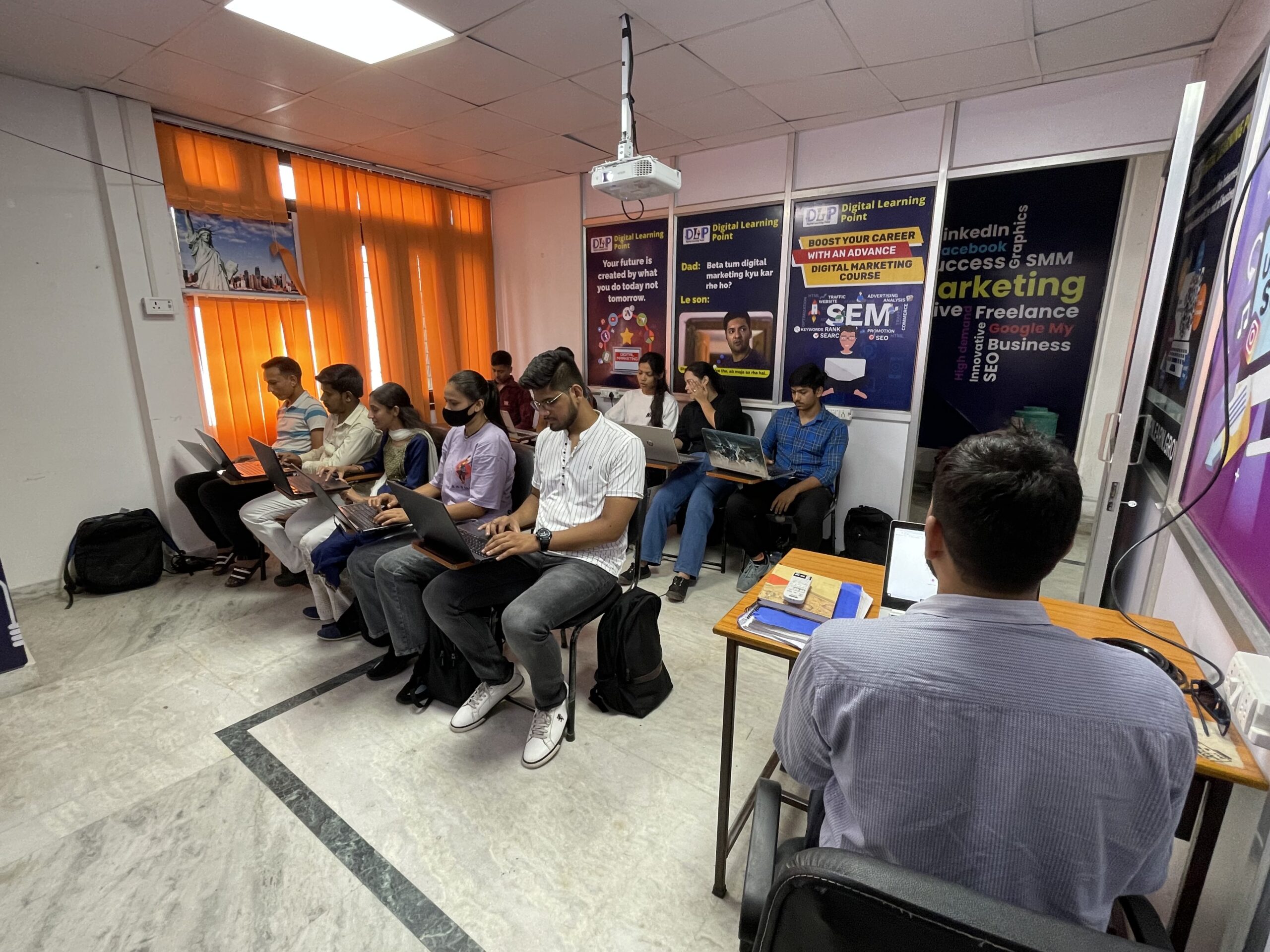
Har class mein laptop par real projects aur live tools ke saath kaam karoge. Sirf concepts nahi, balki industry-level execution seekhoge jo companies expect karti hain.

Small Batches, Personal
Attention
Har batch mein limited students rakhe jaate hain taaki trainer har student ki progress par individually focus kar sake aur doubts ko detail mein solve kar sake.

Trainers Who Manage Real Client Projects
Hamare trainers sirf padhate nahi, balki daily basis par real client campaigns aur digital projects bhi handle karte hain. Aapko latest industry strategies aur practical insights milte hain.
100% Practical Training — No
Theory Only
Har class mein laptop par real projects aur live tools ke saath kaam karoge. Sirf concepts nahi, balki industry-level execution seekhoge jo companies expect karti hain.
Small Batches, Personal
Attention
Har batch mein limited students rakhe jaate hain taaki trainer har student ki progress par individually focus kar sake aur doubts ko detail mein solve kar sake.
Trainers Who Manage Real Client Projects
Hamare trainers sirf padhate nahi, balki daily basis par real client campaigns aur digital projects bhi handle karte hain. Aapko latest industry strategies aur practical insights milte hain.

Portfolio Guarantee — Beyond Certificates
Course complete hone tak aapke paas ek professional portfolio hoga jisme real campaigns, SEO reports, creatives aur projects shamil honge jo interviews mein confidence ke saath dikha sakte hain.

Local Presence, Industry-Standard Curriculum
Haldwani mein accessible training ke saath wahi updated curriculum aur tools seekhiye jo top agencies aur companies digital marketing mein use karti hain.

Placement Support & Strong Alumni Network
Resume building, mock interviews, job referrals aur active alumni community ke through aapko career opportunities tak pahunchne mein poora support diya jaata hai.
Portfolio Guarantee — Beyond Certificates
Course complete hone tak aapke paas ek professional portfolio hoga jisme real campaigns, SEO reports, creatives aur projects shamil honge jo interviews mein confidence ke saath dikha sakte hain.
Local Presence, Industry-Standard Curriculum
Haldwani mein accessible training ke saath wahi updated curriculum aur tools seekhiye jo top agencies aur companies digital marketing mein use karti hain.
Placement Support & Strong Alumni Network
Resume building, mock interviews, job referrals aur active alumni community ke through aapko career opportunities tak pahunchne mein poora support diya jaata hai.

ChatGPT
AI Content & Copy
Claude AI
Strategy & Research

Gemini
AI for Marketing
Midjourney
AI Image Creation
Ads
Search & Display

Meta Ads
Facebook & Instagram
Google Analytics 4
Data & Reporting

Google Search Console
SEO Performance
SEO & Competitor

Ahrefs
Backlink & Keywords

Yoast SEO
WordPress SEO

WordPress
Website Management
Canva Pro
Creative Design

Instagram Creator
Reels & Stories

YouTube Studio
Video Marketing
Mailchimp
Email Marketing

Google Tag Manager
Tracking & Pixels
ChatGPT
AI Content & Copy
Claude AI
Strategy & Research
Gemini
AI for Marketing
Midjourney
AI Image Creation
Ads
Search & Display
Meta Ads
Facebook & Instagram
Google Analytics 4
Data & Reporting
Google Search Console
SEO Performance
Google Tag Manager
Tracking & Pixels
SEMrush
SEO & Competitor
Ahrefs
Backlink & Keywords
Yoast SEO
WordPress SEO
WordPress
Website Management
Canva Pro
Creative Design
Instagram Creator
Reels & Stories
YouTube Studio
Video Marketing
Mailchimp
Email Marketing

AI is not optional anymore — it's part of every job description.
DLP dedicates a full module to using ChatGPT, Gemini and other AI tools for content creation, ad copy, keyword research, and campaign strategy — so you're ahead before you even join your first role.
ChatGPT
AI Content & Copy
Claude AI
Strategy & Research
Gemini
AI for Marketing
Midjourney
AI Image Creation
Ads
Search & Display
Meta Ads
Facebook & Instagram
Google Analytics 4
Data & Reporting
Google Search Console
SEO Performance
SEMrush
SEO & Competitor
Ahrefs
Backlink & Keywords
Yoast SEO
WordPress SEO
WordPress
Website Management
Canva Pro
Creative Design
Instagram Creator
Reels & Stories
YouTube Studio
Video Marketing
Mailchimp
Email Marketing
Google Tag Manager
Tracking & Pixels
ChatGPT
AI Content & Copy
Claude AI
Strategy & Research
Gemini
AI for Marketing
Midjourney
AI Image Creation
Ads
Search & Display
Meta Ads
Facebook & Instagram
Google Analytics 4
Data & Reporting
Google Search Console
SEO Performance
Google Tag Manager
Tracking & Pixels
SEMrush
SEO & Competitor
Ahrefs
Backlink & Keywords
Yoast SEO
WordPress SEO
WordPress
Website Management
Canva Pro
Creative Design
Instagram Creator
Reels & Stories
YouTube Studio
Video Marketing
Mailchimp
Email Marketing
AI is not optional anymore — it's part of every job description.
DLP dedicates a full module to using ChatGPT, Gemini and other AI tools for content creation, ad copy, keyword research, and campaign strategy — so you're ahead before you even join your first role.